

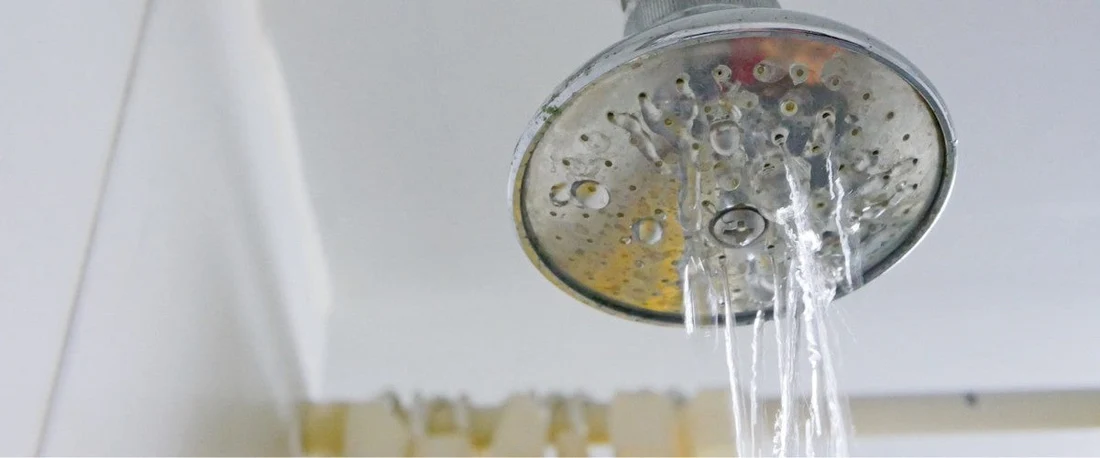
There is nothing quite as frustrating as stepping into the shower only to find a pathetic trickle instead of a steady stream. In Cedar Rapids, where our municipal water system serves over 120,000 residents through a complex network of aging and modern infrastructure, sudden drops in water pressure are a common headache.
While your first instinct might be to panic about a costly pipe replacement, the cause could be anything from a routine city maintenance project to a simple fixture clog. This guide provides a diagnostic checklist to help you determine if the problem is a City issue, a Plumber issue, or something you can handle yourself.
Phase 1: The Neighborhood Check
Before you pick up the wrench, you need to determine if the problem is isolated to your home or if it’s a systemic issue.
Check Every Fixture
Is the low pressure only in the kitchen? Or is it affecting the upstairs bathroom and the garden hose too? If it’s just one faucet, the problem is likely a clogged aerator or a localized valve issue. If it’s the whole house, the problem is at the main supply level.
Talk to the Neighbors
Give your neighbor a quick text. If their pressure is also low, the City of Cedar Rapids Water Division is likely performing line flushing or repairing a nearby water main break.
Test Hot vs. Cold
If your cold water pressure is fine but your hot water is barely moving, the issue is almost certainly your water heater. Mineral sediment (very common in Iowa) may have settled at the bottom of the tank or clogged the heat out-take.
Phase 2: Identifying the City Variables
Cedar Rapids is proactive about maintaining its water system, but that maintenance can occasionally disrupt your daily routine.
Municipal Line Flushing
The city regularly flushes hydrants to remove sediment and ensure water quality. This can cause temporary pressure drops and even slight discoloration. Usually, this clears up within a few hours.
Water Main Breaks
With Iowa’s extreme temperature swings, the ground shifts, causing older cast-iron mains to snap. If you see water bubbling up through the street or a neighbor’s yard, call the city’s 24-hour emergency line immediately.
The Curb Stop
Your responsibility as a Cedar Rapids Homeowner starts at the “curb stop” (the valve near the sidewalk). If the city recently performed work near your property, they may not have fully reopened your valve.

Phase 3: Hard Water and Artery Clogging
In Eastern Iowa, we deal with significantly hard water. This means our water is rich in minerals like calcium and magnesium. While safe to drink, these minerals are the silent killers of plumbing efficiency.
Think of your plumbing system like a vascular system. Over time, calcium carbonate deposits (scale) begin to stick to the inside walls of your pipes. This process is called calcification.
Initially, this buildup is microscopic. But after a decade or two, that 1-inch pipe might effectively have the interior diameter of a straw. This doesn’t just cause a sudden drop; it causes a gradual decline that you only notice once it reaches a breaking point. When a small piece of that scale breaks loose, it can travel downstream and get stuck in a junction or a pressure-reducing valve (PRV), causing the pressure to plummet instantly.

Phase 4: The Homeowner’s Diagnostic Checklist
Follow these steps in order to narrow down the culprit:
Check the Main Shut-off Valve
Ensure your main water valve (usually located in the basement where the line enters the house) is fully open. Sometimes these handles are bumped or partially closed during storage organization. Even a quarter-turn toward off can kill your shower pressure.
Inspect the Pressure Reducing Valve (PRV)
Most modern Cedar Rapids homes have a bell-shaped brass valve located near the main shut-off. This is the PRV. Its job is to slow down the high-pressure city water so it doesn’t blow out your appliances. These valves have a lifespan of about 10–12 years. When they fail, they usually fail shut, resulting in a massive, sudden drop in whole-house pressure.
Test the Aerators
If the pressure drop is localized, unscrew the tip of the faucet. You’ll likely find tiny pebbles of calcium or blue-green flakes. Clean them out with vinegar, and your pressure will likely return instantly.
Look for the Hidden Leak
If your pressure is low and you hear a hissing sound in the walls or notice a new damp spot on the basement floor, you may have a slab leak or a burst pipe. A quick way to check is to turn off all water in the house and look at your water meter. If the little red triangle (the low-flow indicator) is spinning, water is escaping somewhere.
Phase 5: When to Call the Pros
At Colony Plumbing, Heating and Air Conditioning, we see these issues every day. You should call a professional plumber if:
- The pressure drop is accompanied by a loud thumping or water hammer sound.
- You’ve checked your PRV and shut-off valves, and the city confirms there are no local main breaks.
- The low pressure is only affecting the hot water (this requires a water heater flush or replacement).
- You live in an older home with original galvanized pipes, which are highly susceptible to the mineral clogging mentioned above.
Don’t settle for a weak shower. By following this checklist, you can provide your plumber with the exact symptoms, which helps us find the cure faster and more affordably.
Not sure if your PRV is failing or if your pipes are just clogged with Iowa minerals? Give us a call today for a pressure diagnostic!
