
The Invisible Threat: How Poor Ventilation Impacts Your Health and Your Cedar Rapids Home
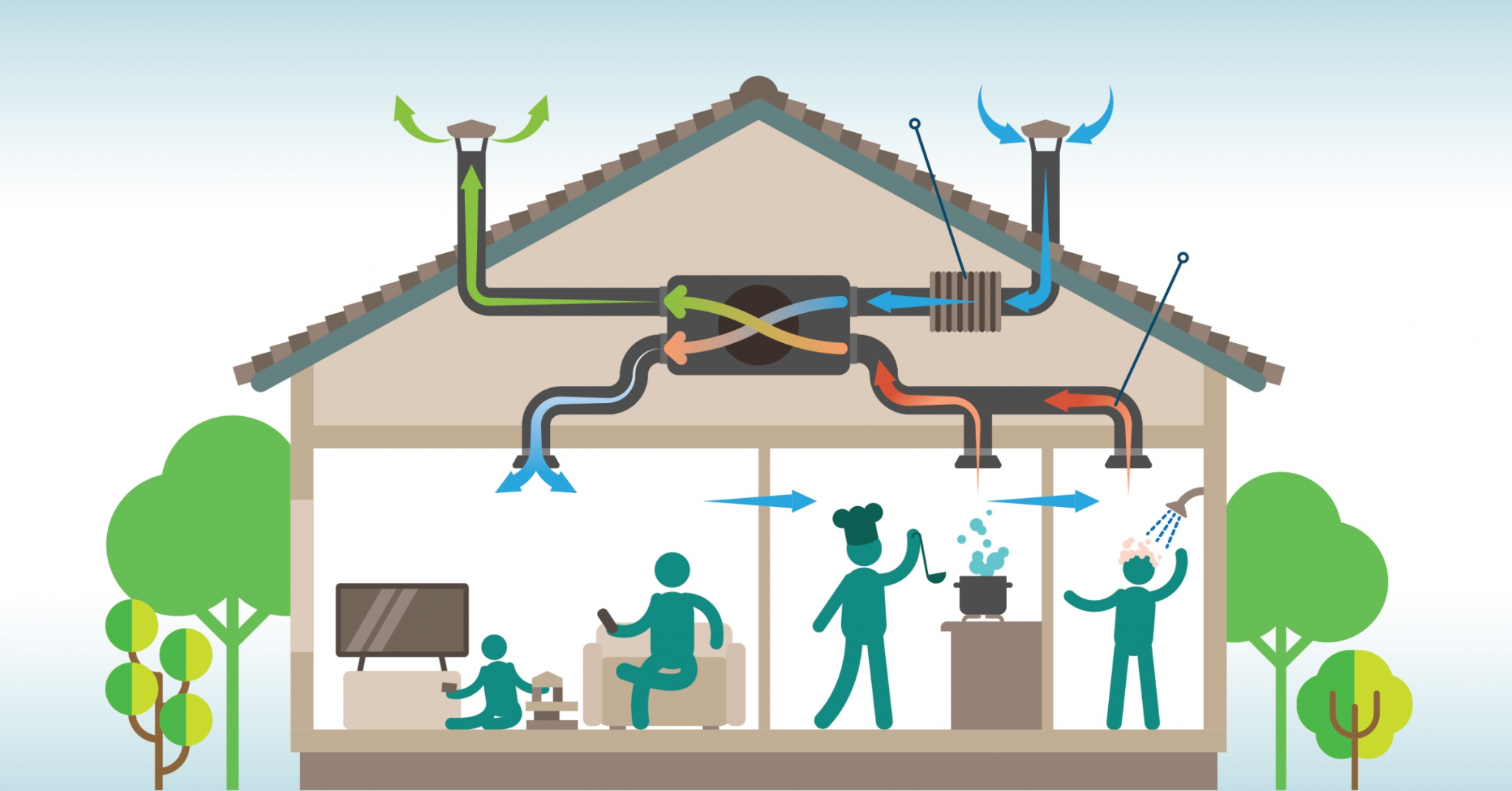
When we talk about home comfort in Eastern Iowa, the conversation usually revolves around the furnace in the winter and the AC in the summer. But there is a third, equally important pillar of a healthy home that is often overlooked: Ventilation.
In 2026, as homes become more tightly sealed to save on energy costs, we are seeing a significant rise in what experts call “Sick Building Syndrome.” Without proper air exchange, your home effectively becomes a sealed plastic bag, trapping pollutants and moisture inside.
Here is a deep dive into how poor ventilation is silently impacting both your family’s respiratory health and the structural integrity of your Cedar Rapids home.
The Health Toll
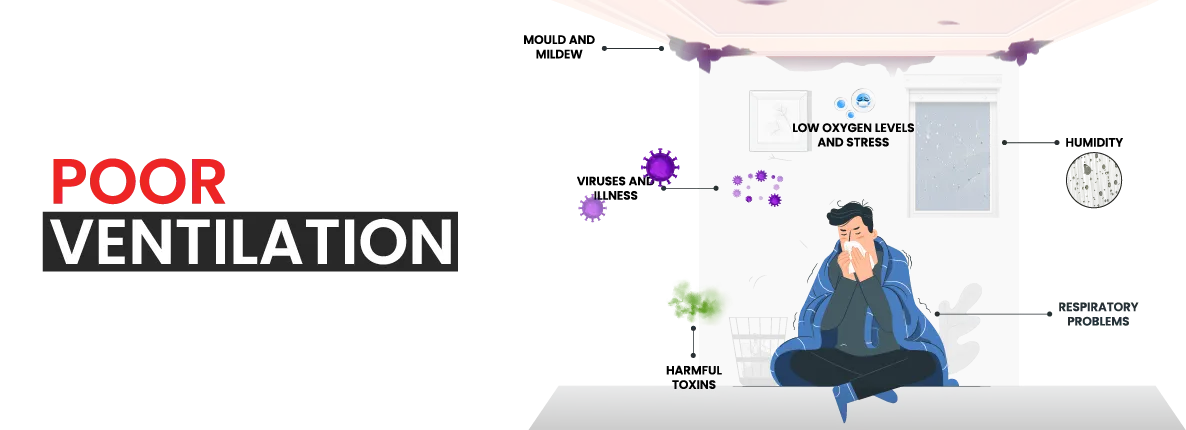
In a poorly ventilated home, the air you breathe is often 2 to 5 times more polluted than the air outside. Without a constant supply of fresh, filtered air, several invisible threats begin to accumulate:
- VOC Accumulation: Volatile Organic Compounds (VOCs) are gases emitted from everyday items like new furniture, cleaning supplies, and even air fresheners. In a sealed home, these can soar to 1,000 times outdoor levels, causing chronic headaches, dizziness, and fatigue.
- Carbon Dioxide (CO2) Buildup: In 2026, research has shown that high indoor CO2 levels—caused simply by people breathing in a closed room—can significantly degrade sleep quality and cognitive performance. If you wake up feeling foggy despite getting eight hours of sleep, your bedroom’s ventilation may be the culprit.
- Asthma and Respiratory Triggers: Poor airflow allows dust mites, pet dander, and mold spores to linger in the air rather than being filtered out. For the thousands of Iowans with asthma or seasonal allergies, this creates a constant attack on the respiratory system even when you are indoors.
The Structural Toll
While the health effects impact you immediately, the structural damage caused by poor ventilation is a slow burn that can eventually lead to tens of thousands of dollars in repairs.
- Window and Wall Condensation: Have you ever noticed sweat on the inside of your windows on a cold January morning? That is a telltale sign that warm, moist air is trapped inside. When that moisture seeps into window sills or behind drywall, it feeds mold and mildew.
- Wood Rot and Pest Infestation: Excessive humidity (above 60%) softens the wood in your home’s framing and attic. This not only leads to structural weakening through wood rot but also makes your home a prime target for pests like termites and carpenter ants that thrive in damp environments.
- Peeling Paint and Wallpaper: If you notice your bathroom paint bubbling or wallpaper peeling, it isn’t just old age. It is a sign that your exhaust fans aren’t effectively removing steam, forcing the moisture into the wall materials.
The 2026 Standard
As we push toward high-performance homes in 2026, the industry has adopted a new mantra: Build Tight, Ventilate Right.
The updated standards for 2026 emphasize that as we add more insulation and better windows, we must add mechanical ventilation to ensure dilution of indoor contaminants. This is typically achieved through one of three methods:
- Energy Recovery Ventilators (ERVs): These systems swap out stale indoor air for fresh outdoor air while recovering the temperature. In the winter, the outgoing warm air pre-heats the incoming cold air, giving you fresh air without the massive energy bill.
- Smart Humidity Sensors: Modern 2026 HVAC systems can now use sensors to detect when humidity or CO2 levels are too high and automatically kick on the ventilation cycles.
- Whole-Home Filtration: Upgrading to high-efficiency filters (like MERV 13 or higher) ensures that when the system does move air, it is scrubbing out the particulates that trigger allergies.
Signs Your Cedar Rapids Home has a Ventilation Problem
If you aren’t sure if your home is “sick,” look for these four red flags:
- Lingering Odors: If you can still smell last night’s dinner or the family pet the moment you walk through the door, your air isn’t circulating properly.
- Visible Mold: Check the corners of closets, the area behind the toilet, and the basement rim joists.
- Excessive Dust: If surfaces are covered in dust just days after cleaning, your system isn’t filtering or exhausting air effectively.
- The Muggy Feel: If your home feels clammy or damp even when the AC is running, your humidity levels are likely outside the healthy 35–50% range. Achieving 35-50% RH isn’t easy with every home. You may need a whole house dehumidifier to control the humidity to this level.
Trust Through Measurement
Don’t let a stuffy home compromise your family’s health or your property value. At Colony Plumbing, Heating and Air Conditioning, we don’t just guess about your air quality. We use advanced LiDAR testing to determine exactly how your home is breathing.
Whether you need a modern ERV installation or a simple exhaust fan upgrade, we provide the technical data you need to breathe easy.
Worried about the air quality in your Cedar Rapids home? Call Colony today for a professional Indoor Air Quality (IAQ) assessment!
