


Every spring, homeowners across Cedar Rapids embark on a familiar ritual. We scrub the baseboards, clean windows, pressure-wash the siding, and donate the clutter that accumulated over the winter. We strive for that fresh start feeling. Yet, for many Iowans, there is a frustrating phenomenon that occurs just days after the deep clean is finished: a fine layer of gray dust begins to settle on the coffee table, the TV stand, and the bookshelves.
If you feel like you are losing the war against dust, the culprit isn’t your cleaning habits—it’s your home’s lungs.
While we often focus on what we can see, the average 1,500-square-foot home circulates approximately 40 pounds of dust through its ductwork every single year. In 2026, as we spend more time indoors and seal our homes tighter for energy efficiency, professional duct cleaning has moved from a luxury to a critical component of a truly clean home.
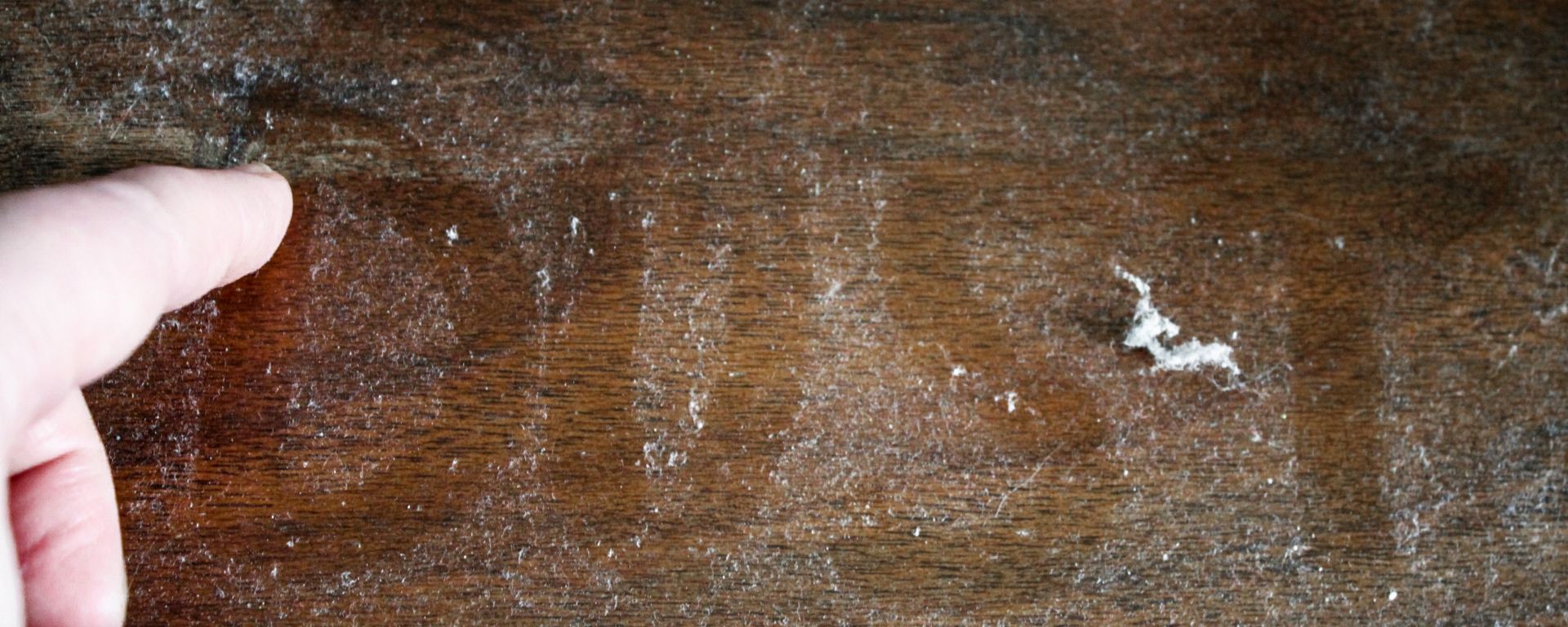
Is Dust Returning Too Fast?
In many Eastern Iowa homes, the air ducts act as a massive storage unit for years of debris. Every time your furnace or air conditioner kicks on, a portion of that debris is blasted back into your living spaces.
Think about the life of an Iowa home over a single year. In the winter, we keep the windows shut tight, trapping skin cells, pet dander, and fireplace soot inside. In the spring and summer, we track in pollen, agricultural dust from the surrounding Linn County fields, and humidity that can make that dust sticky.
If your ductwork hasn’t been cleaned in the last three to five years, you aren’t just circulating air; you are circulating a history of every pollutant that has entered your home. This is why, despite your best spring cleaning efforts, the dust seems to return overnight.
The 20% Efficiency Advantage
While improved air quality is the most obvious benefit, the strategic move for a savvy homeowner is understanding the impact on the wallet. Dust isn’t just an eyesore; it’s a mechanical friction.
According to the U.S. EPA (Environmental Protection Agency), a buildup of just 0.042 inches of dirt on a heating or cooling coil can result in a 21% decrease in efficiency. When your ducts are choked with debris, your blower motor has to work significantly harder to push air through the system.
Regular, professional duct cleaning can improve your system’s airflow efficiency and lower your monthly energy bills by up to 20%. In an era of rising utility costs, ensuring your HVAC system doesn’t have to “fight” its own ductwork is one of the fastest ways to see a return on your home maintenance investment.
Signs of Duct Distress: What to Look (and Listen) For
Your ductwork is mostly hidden behind drywall and flooring, but it will send out distress signals if it’s overdue for a cleaning. Here is what you should be looking for during your spring inspection:
The “Whistle” or “Hum”
If you hear a high-pitched whistling sound when the air turns on, it often indicates a restriction in airflow. While this can sometimes be a closed vent or a crushed duct, it is frequently caused by excessive buildup on the internal turning vanes or dampers, which creates turbulence as the air tries to squeeze past.
Visible “Ghosting” on Registers
Take a close look at your air vents. Do you see black or gray smudges on the slats or the ceiling around the vent? This is known as ghosting. It happens when concentrated levels of dust and particulates are pushed out of the vent and stick to surfaces. If you see it on the outside of the vent, imagine what the inside looks like.
Clogged Air Filters within Weeks
Your HVAC filter should typically last 60 to 90 days. If you find that your filter is caked with dark gray debris after only three weeks, your filter isn’t just catching new dust—it’s trying to manage the massive reservoir of old dust already living inside your return ducts.
Rodent or Insect Evidence
In Iowa, basements and attics are prime real estate for small critters during the winter. If you see any evidence of droppings or nesting materials near your ducts, a professional cleaning is mandatory. These contaminants can carry hantavirus and other pathogens that you do not want aerosolized into your bedrooms.

Why Professional Cleaning Matters
Many discount duct cleaners use nothing more than a glorified shop-vac and a brush. At Colony, we treat duct cleaning as a technical HVAC service.
A proper cleaning requires negative pressure. We seal your system and use a high-powered vacuum to create a vacuum throughout the entire duct network. We then use specialized agitators and compressed air whips to dislodge the dust from the walls of the pipes, ensuring it is pulled out of the house and into our containment system, rather than just being stirred up and left behind.
The Perfect Spring Add-On
As you wrap up your spring cleaning list, ask yourself: Is my air as clean as my floors? By adding a professional duct cleaning to your spring maintenance, you are doing more than just removing dust. You are protecting your HVAC equipment from premature wear, lowering your cooling costs for the upcoming Iowa summer, and—most importantly—ensuring the air your family breathes is as fresh as the spring season itself.
