

The Future of Comfort: Why 2026 is the Year to Go Tankless in Iowa
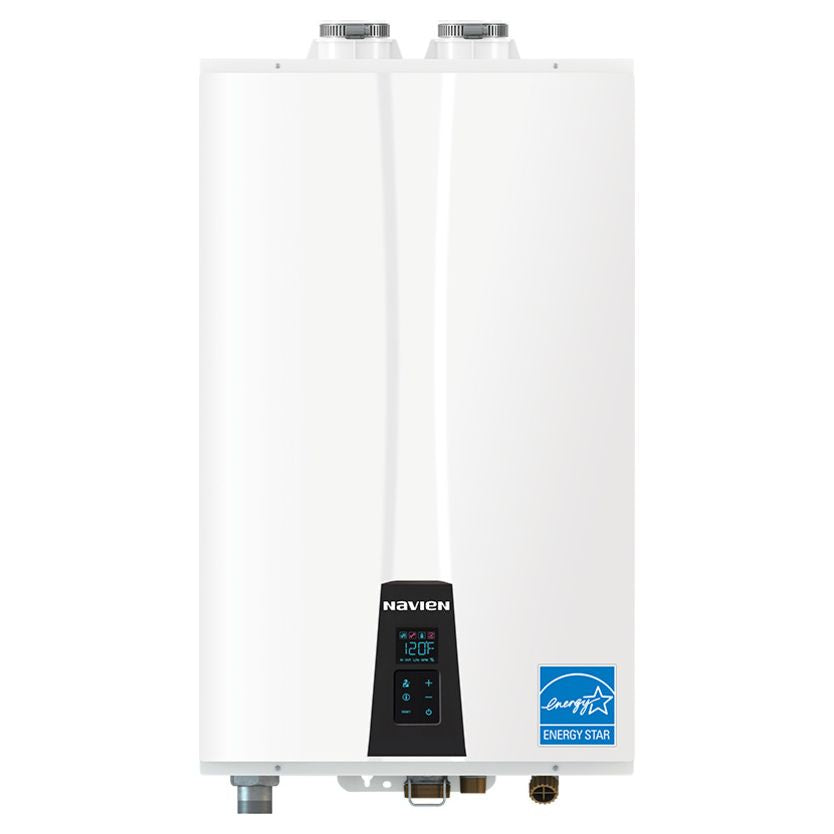
If you’ve lived in the Cedar Rapids area for any length of time, you know the morning scramble. It’s that desperate race to be the first one in the shower before the 40-gallon tank in the basement runs dry. For decades, Iowa homeowners have accepted the limitations of traditional water heaters as a fact of life. We’ve planned our laundry, dishwashing, and bathing schedules around a big metal cylinder’s ability to recover.
However, as we move through 2026, the technology behind tankless water heaters (also known as on-demand or instantaneous systems) has matured into the gold standard for home comfort and energy efficiency. At Colony, we are seeing a massive shift toward these systems.
Here is why a tankless upgrade is more than just a luxury—it’s a strategic investment in your home’s value and your family’s daily sanity.
The End of the Cold Shower Era
The most immediate and life-changing advantage of a tankless system is endless hot water. Traditional tanks work on a batch system: they heat a specific volume of water and store it. Once that volume is used, the system must pull in freezing cold groundwater and spend 30 to 60 minutes heating it back up.
A tankless unit operates on a completely different principle. When you turn on a hot water tap, a flow sensor detects the movement and ignites a powerful gas burner or electric element. Cold water travels through a high-efficiency heat exchanger, reaching your desired temperature in seconds. Because it heats water as it flows, the supply is virtually infinite. You can run the dishwasher, the washing machine, and two showers simultaneously without anyone ever feeling a drop in temperature.
Efficiency
Traditional water heaters are inherently wasteful because of a phenomenon called standby heat loss. Imagine leaving your car idling in the driveway 24 hours a day just in case you need to drive to the grocery store. That is exactly what a tank-style heater does. It burns fuel all day and night to keep 50 gallons of water hot, even when you’re at work or sleeping.
Tankless systems eliminate this standby tax. They only consume energy when a faucet is actually open. According to 2026 Department of Energy data, for homes that use 41 gallons or less of hot water daily, tankless heaters can be 24% to 34% more energy-efficient than conventional storage tank water heaters. Even in high-use homes, the efficiency gains remain significant, leading to a noticeable reduction in monthly natural gas or electric bills.
Space
In many older Cedar Rapids homes, utility rooms are cramped, and the water heater often takes up prime real estate. A traditional 50-gallon tank is roughly 5 feet tall and 2 feet wide, requiring additional clearance space for safety and maintenance.
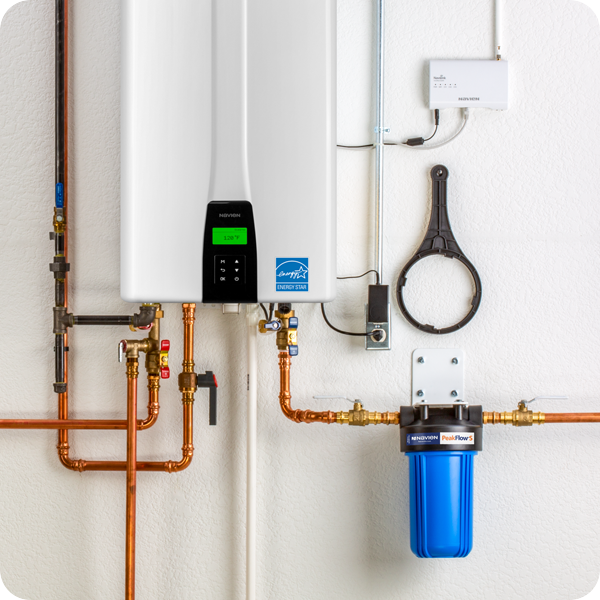
A tankless unit is about the size of a small carry-on suitcase. Because it’s wall-mounted, it clears up the floor entirely. This allows homeowners to reclaim 9 to 12 square feet of floor space—perfect for adding extra shelving, a water softener, or simply making a cramped basement feel more open. In some modern installations, we can even mount these units in closets or attic spaces, placing the hot water source closer to the bathrooms to reduce wait time at the tap.
Longevity and Repair-ability
One of the most frustrating things about a traditional tank is that it requires regular maintenance which makes it essentially a ticking time bomb. Because water sits in the metal tank 24/7, corrosion is inevitable. Once a tank develops a leak, it cannot be repaired; the entire unit must be scrapped and replaced. This usually happens every 8 to 12 years.
Tankless systems are built for a different lifecycle. Most are designed to last 20 years or more. Furthermore, they are modular. If a single component—like a sensor or a heating element—fails, that specific part can usually be swapped out by a professional plumber. You aren’t throwing away the whole machine just because one part wore out. This makes the total cost of ownership over 20 years significantly lower for tankless systems.
Water Quality and Health
Over time, traditional tanks become a graveyard for mineral sediment. In Eastern Iowa, our hard water leads to calcium and magnesium buildup that settles at the bottom of the tank. This sludge can harbor bacteria and lead to a rotten egg smell in your hot water.
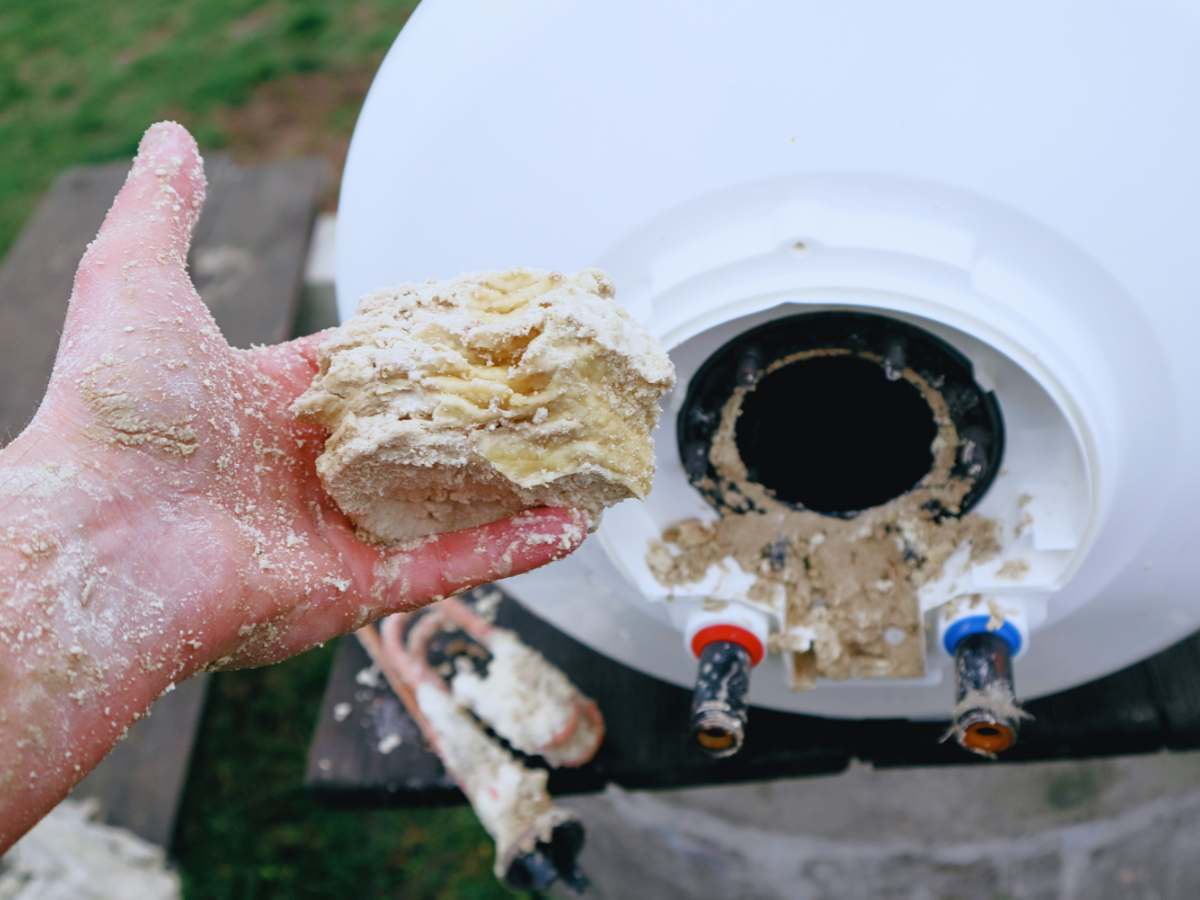
Because a tankless system doesn’t store water, there is no place for sediment to collect. You are getting fresh, clean water directly from the main, heated instantly. For families with sensitive skin or those who are conscious about water purity, this is a major invisible benefit.
The 2026 Financial Advantage: Tax Credits
From a real estate perspective, a tankless water heater is a premium feature. In 2026, buyers are hyper-focused on energy ratings. Having a tankless system on your home’s spec sheet signals that the property has been modernized and maintained with high-quality components.
Additionally, the financial barrier to entry has never been lower. Under current federal energy guidelines, many ENERGY STAR® certified tankless models qualify for a 30% federal tax credit (up to $600). When you combine this with local utility rebates in the Cedar Rapids area and the long-term energy savings, the payback period for a tankless unit has shortened dramatically compared to a decade ago.
Is Tankless Right for You?
While the advantages are clear, ensuring your home’s infrastructure is ready for the switch. Tankless units require specific venting and, occasionally, a larger gas line to handle the burst of energy needed for instant heating.
At Colony Plumbing, Heating and Air Conditioning, we don’t just swap tanks. We perform a full load calculation to ensure your new system will provide the exact GPM (Gallons Per Minute) your household requires. Don’t settle for another decade of lukewarm showers and wasted energy.
Ready to reclaim your basement space and never run out of hot water again? Call Colony today for a professional tankless consultation!
