
Choosing the right air filter for your home is an important step in maintaining healthy indoor air quality and protecting your HVAC system. Air filters do more than catch dust. They help reduce allergens, improve airflow, and keep heating and cooling equipment running efficiently. With so many options available, understanding what works best for your home can feel overwhelming.
Factors such as local air quality, household allergies, pets, and HVAC system requirements all play a role in selecting the right filter. Here’s what homeowners should consider when choosing an air filter that balances comfort, efficiency, and long-term performance.
Understand MERV Ratings
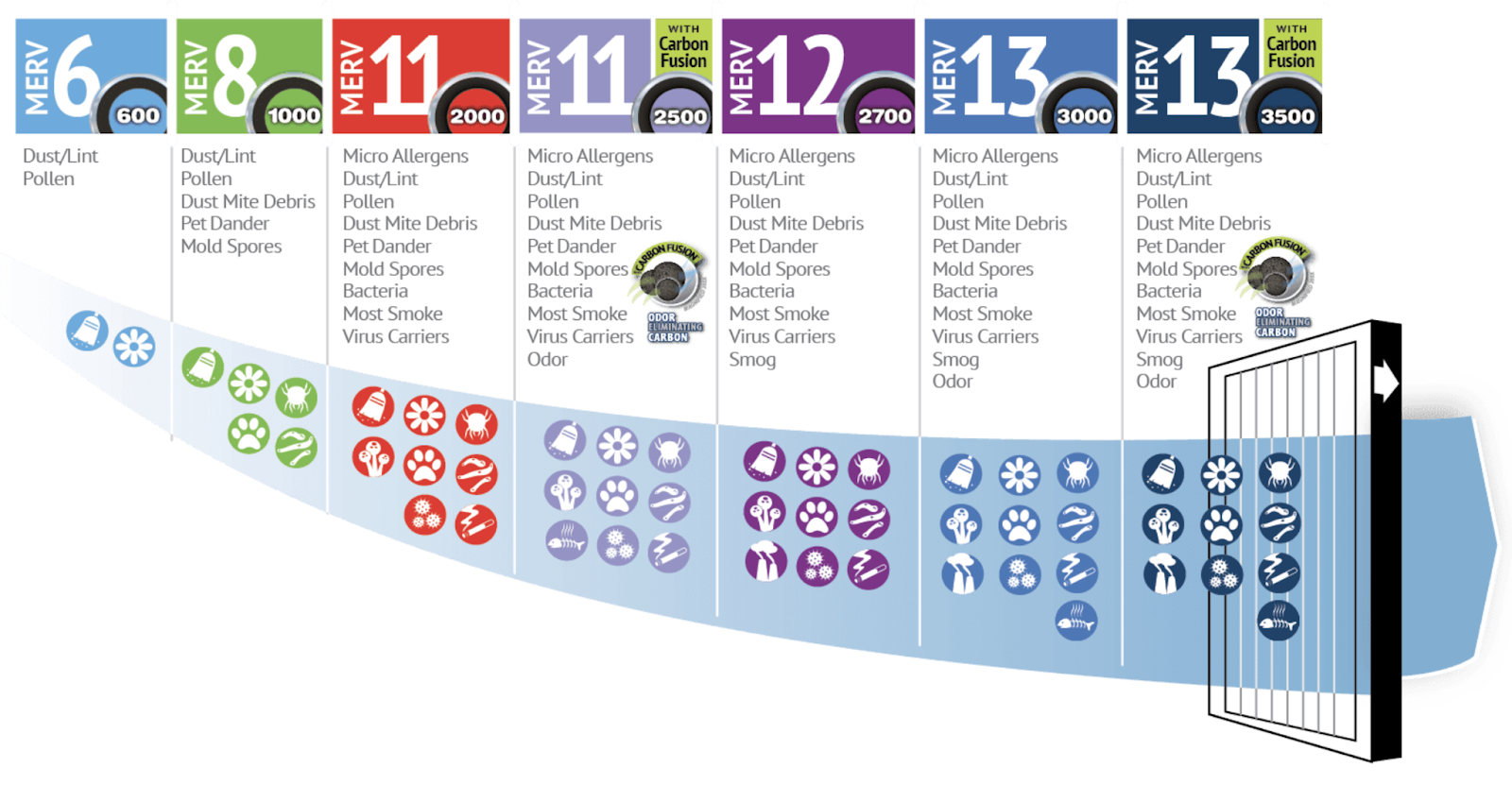
One of the most important factors when selecting an air filter is its MERV rating. MERV stands for Minimum Efficiency Reporting Value and measures how effectively a filter captures airborne particles. The higher the number, the smaller the particles it can trap.
MERV 1–4
Filters with a MERV rating of 1–4 offer basic filtration and primarily capture large particles like dust and lint. These are often used to protect the HVAC system rather than improve air quality.
MERV 5–8
MERV 5–8 filters provide better overall filtration, capturing mold spores, pet dander, and finer dust. This range is a popular choice for many households because it improves indoor air quality without restricting airflow.
MERV 9–12
For homes with allergies or respiratory concerns, MERV 9–12 filters are a strong option. These filters help trap pollen, smoke, and other common irritants, making indoor air noticeably cleaner.
MERV 13–16
MERV 13–16 filters offer high-efficiency filtration and can capture bacteria and some viruses. While these filters provide excellent air quality, they may not be compatible with every HVAC system. Consulting a professional before installing higher-MERV filters is important to avoid airflow issues.
Types of Air Filters
Air filters also come in a variety of materials and designs, each offering different benefits.
Fiberglass filters
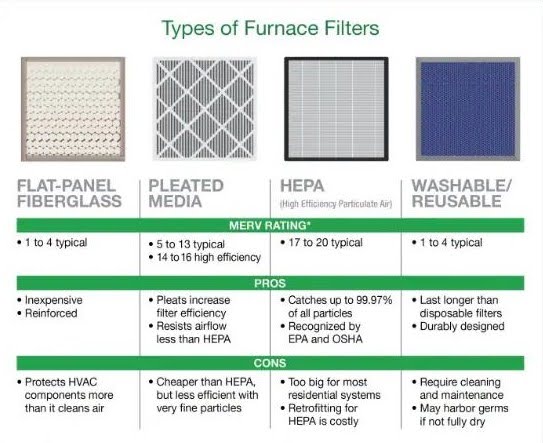
Fiberglass filters are the most affordable option and are typically disposable. They trap large particles but provide minimal protection against smaller allergens.
Pleated filters
Pleated filters have a larger surface area, allowing them to capture more particles while maintaining good airflow. These are widely used in residential homes and offer a solid balance of cost and performance.
Electrostatic filters
Electrostatic filters use static electricity to attract airborne particles. They are effective at capturing dust and allergens and are available in disposable or reusable designs.
HEPA filters
HEPA filters are known for their ability to capture up to 99.97 percent of airborne particles. They are ideal for allergy sufferers but often require specialized HVAC systems or separate air purification units.
Washable filters
Washable filters are reusable and environmentally friendly, but they require regular cleaning. If not maintained properly, they can lose effectiveness and impact air quality.
Choosing the Right Size
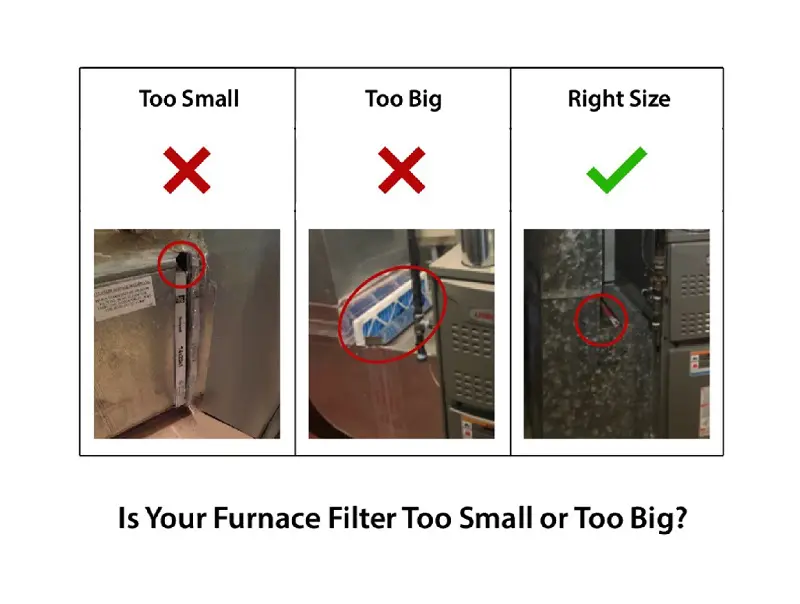
Using the correct filter size is just as important as choosing the right type. Filters that don’t fit properly allow air to bypass the filter, reducing effectiveness and allowing dust and debris into the system.
Most residential systems use one-inch filters, but some homes benefit from thicker four-inch filters that improve airflow and extend replacement intervals. Homeowners can find the correct size by checking the existing filter, HVAC system manual, or consulting an HVAC professional.
4. Replacement Frequency
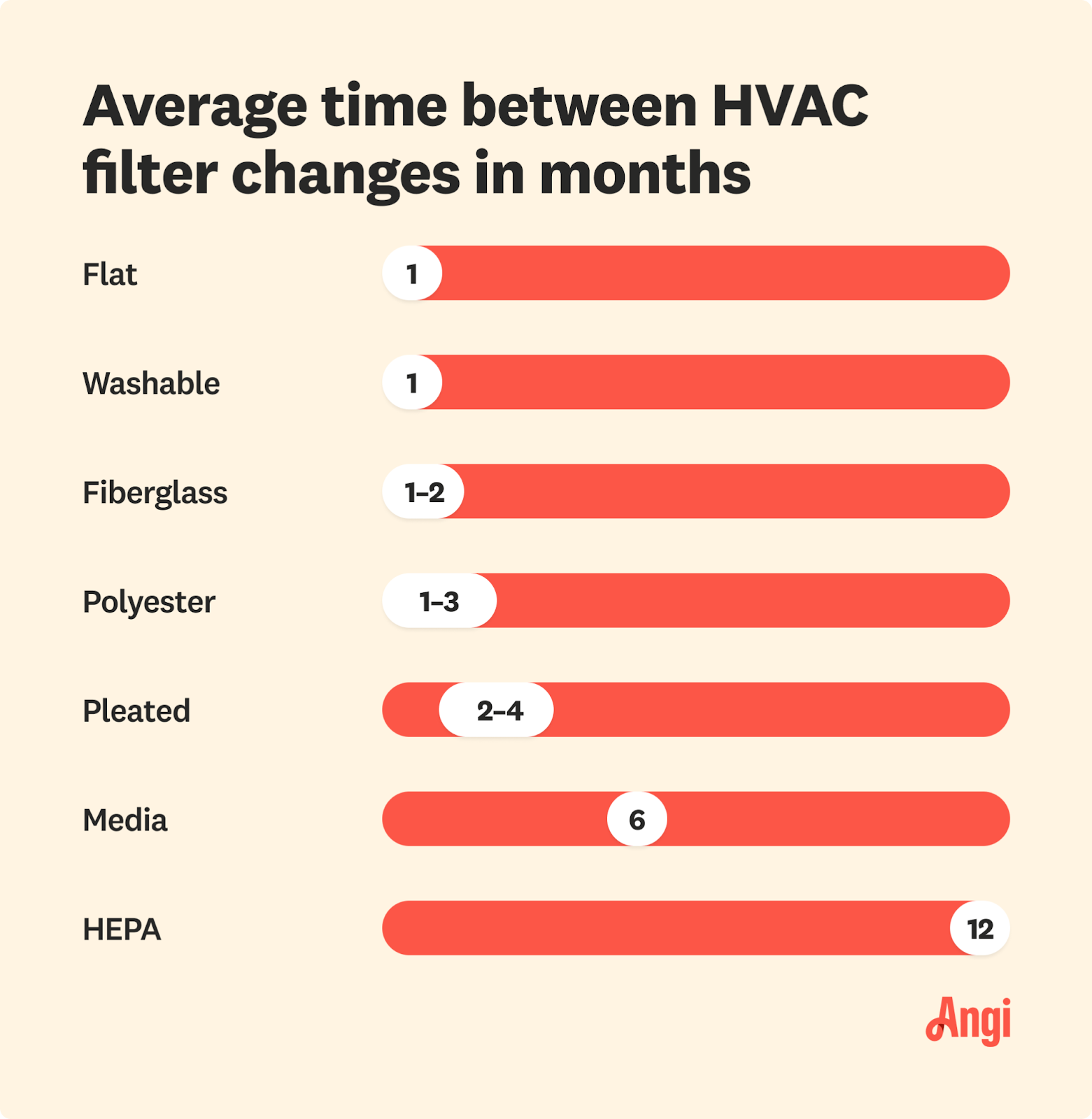
Regular replacement is key to maintaining clean air and system efficiency. Standard filters typically need to be replaced every one to three months. Higher-efficiency filters may last six to twelve months, depending on usage and household conditions.
Homes with pets, allergies, or higher indoor activity levels may require more frequent changes. A clogged filter restricts airflow, forcing the HVAC system to work harder and increasing energy costs.
Why the Right Filter Matters
Choosing the right air filter isn’t just about cleaner air. It helps protect your HVAC system, improves energy efficiency, and supports a healthier home environment. Proper filtration reduces strain on your system, lowers maintenance needs, improves indoor air quality and enhances overall comfort.
For homeowners in the Cedar Rapids area, Colony Heating and Air Conditioning can help determine the best air filter for your system and lifestyle. With professional guidance and routine maintenance, the right filter choice can make a noticeable difference in comfort and air quality year-round.
